wonach suchst du
?
beliebte Suchanfragen

Basaltfaser ist ein Hochleistungsmaterial, das durch das Schmelzen von natürlichem vulkanischem Basaltgestein bei etwa 1.400 °C und das Extrudieren durch Platin-Rhodium-Büchsen zu Endlosfilamenten hergestellt wird. Im Gegensatz zu synthetischen Fasern benötigt Basaltfaser während der Produktion keine chemischen Zusätze – der Rohstoff besteht zu 100 % aus natürlichem Vulkangestein. Damit ist sie eines der umweltverträglichsten derzeit verfügbaren Verstärkungsmaterialien.
Basaltfaser bewahrt ihre mechanische Integrität bei Temperaturen von bis zu 700 °C und hält kurzzeitig Temperaturen von bis zu 1.000 °C stand. Damit übertrifft sie Glasfaser (350–400 °C) und Kohlenstofffaser (oxidiert oberhalb von 400 °C) deutlich und ist das Material der Wahl für industrielle Hochtemperaturanwendungen, feuerfeste Verbundwerkstoffe und Wärmedämmung.
Basaltfaser ist beständig gegen Säuren, Laugen, Salze und organische Lösungsmittel, ohne sich abzubauen. In aggressiven chemischen Umgebungen, in denen Glasfaser korrodiert und Kohlenstofffaser sich zersetzt, behält Basaltfaser ihre strukturellen Eigenschaften – ideal für Anlagen der chemischen Verarbeitung, Infrastrukturen der Abwasserbehandlung und maritime Anwendungen.
Basaltfaser wird aus reichlich vorhandenem natürlichem Vulkangestein in einem einstufigen Schmelzprozess hergestellt. Der Energieverbrauch bei der Produktion ist etwa 30–40 % niedriger als bei der Herstellung von Glasfasern, und das Material ist vollständig recycelbar und inert – es gibt keine schädlichen Stoffe an Boden oder Wasser ab. Kein Abbau knapper Ressourcen, keine giftigen Nebenprodukte.
Mit einer Zugfestigkeit von 2.800–4.800 MPa und einer Dichte von 2,6–2,8 g/cm³ bietet Basaltfaser eine mechanische Leistungsfähigkeit, die die Lücke zwischen Glasfaser und Kohlenstofffaser schließt – zu deutlich geringeren Kosten als Kohlenstofffaser. Sie bietet 20–30 % höhere Festigkeit und Steifigkeit als E-Glasfaser und bewahrt gleichzeitig eine ausgezeichnete Schlagfestigkeit.
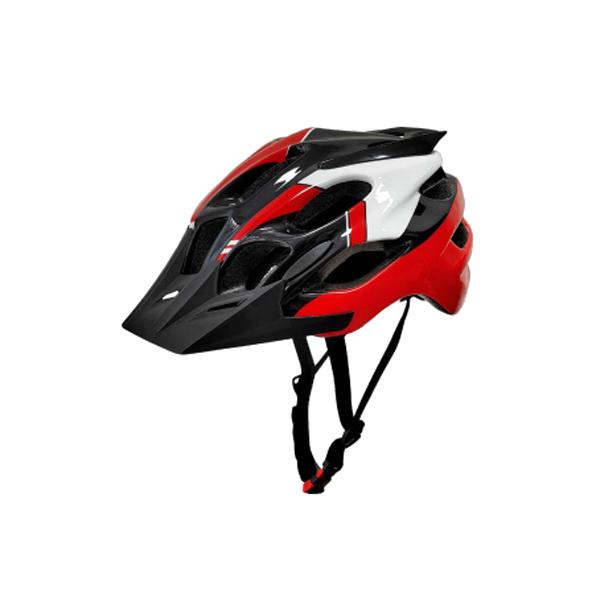
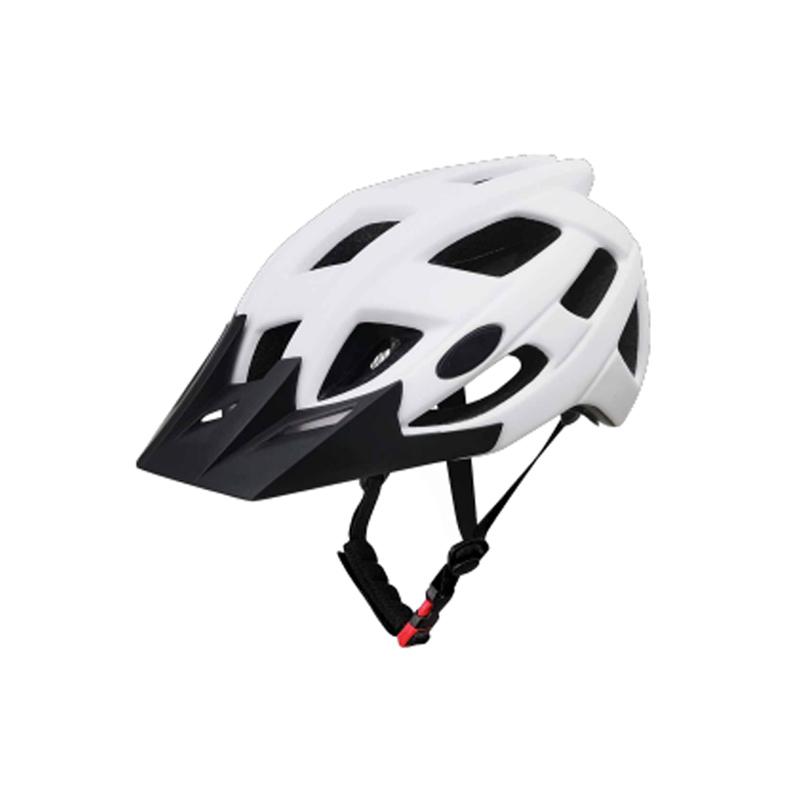
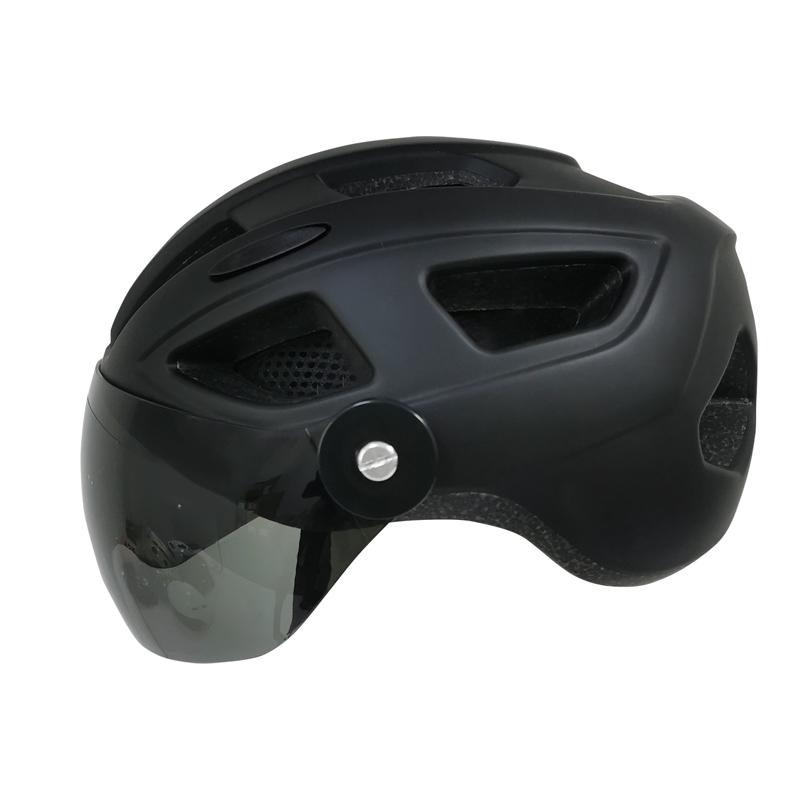
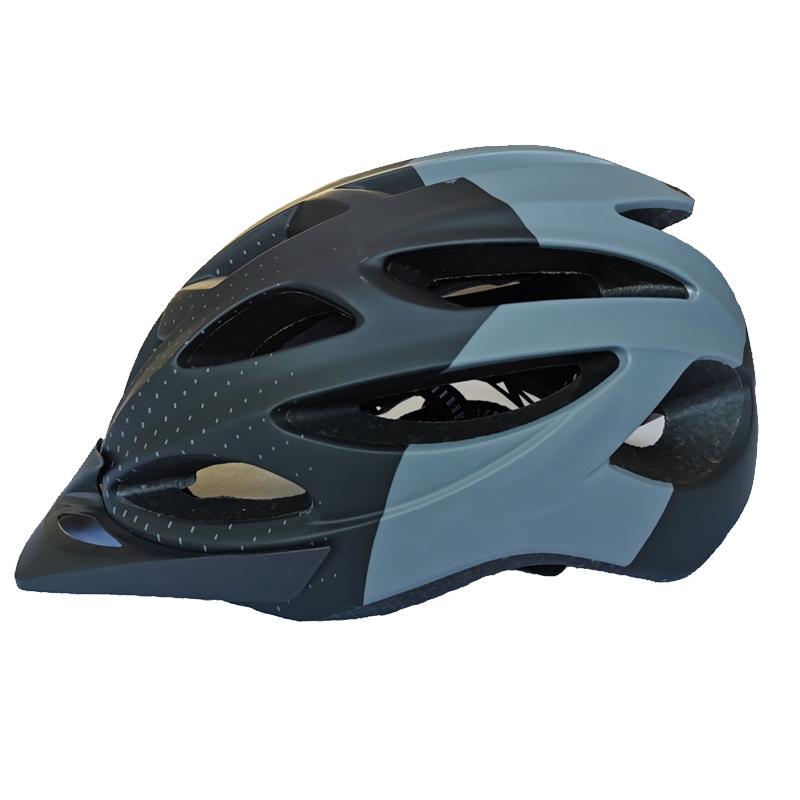
Verbundwerkstoffe aus Basaltfaser weisen im Vergleich zu Kohlenstofffaser und Stahl 30–50 % bessere Schwingungsdämpfungseigenschaften auf. Diese Eigenschaft ist besonders wertvoll bei Fahrzeugkomponenten, Motorradhelmen und Industriemaschinen, bei denen die Reduzierung von Vibrationen die Sicherheit, den Komfort und die Lebensdauer der Ausrüstung verbessert.
| Eigenschaft | Basaltfaser | Kohlenstofffaser | E-Glasfaser | Stahl |
|---|---|---|---|---|
| Zugfestigkeit (MPa) | 2.800–4.800 | 3.500–7.000 | 2.000–3.500 | 400–800 |
| Dichte (g/cm³) | 2,6–2,8 | 1,7–1,9 | 2,5–2,6 | 7,8 |
| Max. Betriebstemperatur (°C) | 650–700 | 350–400 | 350–400 | 400–500 |
| Chemische Beständigkeit | Hervorragend | Gut | Schlecht | Schlecht |
| Umweltauswirkungen | Gering | Hoch | Mittel | Hoch |
| Kosten | Moderat | Hoch | Niedrig | Moderat |
Basaltfaser bietet das ideale Gleichgewicht aus Leistung, Langlebigkeit und Kosteneffizienz, das Ingenieure und Hersteller verlangen. Ganz gleich, ob Sie Schutzausrüstung der nächsten Generation entwickeln, korrosionsfreie Infrastrukturen bauen oder industrielle Hochtemperaturkomponenten konstruieren – Basaltfaser bietet eine bewährte, nachhaltige Lösung, die durch jahrzehntelange Forschung und den Einsatz in der Praxis gestützt wird.
Kontaktieren Sie uns noch heute, um zu besprechen, wie Verbundwerkstoffe aus Basaltfaser Ihre Produkte verbessern und Ihre Gesamtbetriebskosten senken können.
Email
: [email protected]
WhatsApp
:
+86 19556521852
Email
: [email protected]
WhatsApp
:
+86 19567201995
Email : [email protected]
Firmenanschrift : Dazhou High-tech Zone, Sichuan Province, China



 IPv6-Netzwerk unterstützt


Email : [email protected]